
Direct Answer
To fix common Redmond lawn problems before winter, you must address compacted soil, clear yard debris, improve drainage, and apply fall fertilizer. Preparing your yard during the fall strengthens the roots and protects the grass through winter dormancy.
- Redmond’s clay-heavy soil often becomes compacted, closing off the vital spaces that air and water need to reach the roots.
- In shady, damp yards, moss can invade weak turf in as little as 4–6 weeks once fall rains begin.
- The most common causes of local lawn stress include standing water, low soil pH, thick thatch, and poor drainage.
- Entering the freezing months with untreated, weak turf guarantees you will face dead grass and bare spots by spring.
- Late-fall aeration can improve soil air flow by up to 50%, allowing essential oxygen and water to reach the grassroots.
- Investing in fall aeration and applying a slow-release fertilizer now gives your lawn the nutrients it needs to bounce back strong next season.
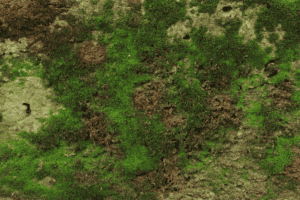
Redmond homeowners deal with lawn problems every year as wet weather sets in. Extra moisture, shade, and heavy soil create trouble for grass across the city. In shady, damp yards around Puget Sound, moss invades weak turf in as little as 4–6 weeks once fall rains begin. Moss thrives in wet, shaded spots where grass is thin or stressed.
When these issues are not handled before winter dormancy, the lawn heads into the cold months in weak shape. No one wants that for their beloved outdoor space. So, to be of assistance, we have drafted this guide that explains the most common lawn issues in Redmond, why they happen, and how to prepare your yard so it stays healthy through the winter season and comes back strong in spring.
Why Redmond Yards Struggles in Fall and Winter
Redmond sits in a part of the Northwest with long months of rain and cool temperatures. These conditions put strain on turfgrass. Wet soil blocks air from reaching roots, grass blades stay damp, and new grass struggles to grow. Clay-heavy soil also creates low spots and makes puddles harder to drain. When the soil stays soaked, the grass begins to weaken early, even before the winter months arrive.
Many yards in Redmond go partially dormant once temperatures drop. Growth slows, roots stop taking in as much water, and grass blades lose strength. If the lawn enters winter in poor condition, bare spots and dead grass can show up by spring. Strong preparation gives the yard what it needs to survive the cold season.
The Most Common Lawn Problems in Redmond
Compacted Soil Redmond Lawn: What Causes It
Compacted soil is one of the top lawn problems in the city. When soil gets compacted, the particles press together and close off the spaces that air and water need. Clay soil in Redmond makes compaction even more common. Wet soil becomes dense and hard, and foot traffic on frozen grass turns the ground even tighter.
Common signs of compacted soil:
- Puddles form after rain
- Slow grass growth
- Hard ground that is tough to dig
- Thin or weak turf
Compaction leads to stunted growth, poor drainage, and weak root systems. It also creates the perfect setting for moss and weeds to spread. Fixing compacted soil before winter protects your lawn and sets the stage for spring growth.
Moss Growth in Cool, Shaded Areas
Moss grows fast in Redmond due to shade, wet soil, and low soil pH. Moss does not harm grass, but it fills in spaces where grass has thinned. When turf weakens, moss steps in and takes over. Cold and wet areas in the winter season also help moss spread.
Moss spreads when:
- Soil stays wet
- The lawn has bare spots
- Soil pH is too low
- Roots do not get enough air
- Air circulation is poor
You can eliminate moss, but it will return if the soil is still weak. Better drainage, balanced soil pH, and stronger grass growth all help create a moss-free lawn.
Drainage Issues and Oversaturated Soil
Drainage problems are another major cause of lawn problems in Redmond. Heavy rain, clay soil, and slopes that push water into low areas create long-lasting puddles. Wet soil blocks oxygen, which grass needs to stay strong. Cold weather makes this worse because the soil stays wet longer, and roots become stressed.
Common signs of drainage issues:
- Standing water
- Muddy areas that stay soft
- Grass blades that yellow or rot
- Pink snow mold during the winter months
Better drainage helps prevent damage, reduces fungal problems, and keeps the yard ready for spring lawn care.
Bare Spots and Patchy Grass
Bare spots show up for many reasons. Hard soil, deep shade, water pooling, and heavy use all weaken turfgrass. Once bare spots form, moss and weeds spread faster. Bare spots also make the yard look tired as it enters winter.
Fescue and Kentucky bluegrass need enough sunlight, airflow, and nutrients. Without these, new grass cannot take root. Fall is the ideal time to fix thin patches and protect your lawn for spring.
Thatch Buildup and Poor Air Flow
Thatch is a layer of dead roots, stems, and old grass that sits between the living grass and the soil. A thin layer is normal, but thick thatch blocks water and fertilizer. When that happens, turf cannot get what it needs. Dethatching and better air circulation improve grass health and help reduce winter lawn care issues.
Lawn Aeration in Redmond: Why It Helps Before Winter
Lawn aeration is one of the best ways to handle compacted soil. A core aerator removes small plugs of soil and opens up space around the roots. This allows air, water, and fertilizer to reach deeper into the ground. It also helps reduce soil compaction and supports new growth.
Benefits of Fall Aeration
- Better water movement
- Fewer drainage issues
- Stronger root systems
- Better access to fertilizer
- Less moss in the future
- Faster recovery in spring
Late-fall aeration can improve soil air flow by up to 50%, making it much easier for fertilizer, water, and oxygen to reach grassroots before winter. This boosts turf strength and gives grass a better start when spring returns. Fall aeration supports healthy lawn care during the colder months when grass begins to go dormant. It keeps the soil open so roots get what they need before the winter freeze.
Prepare Your Lawn Before Winter Dormancy
If you want a healthy lawn in spring, the work starts in the fall. Cool-season grasses grow roots during early fall, even when the top of the lawn begins to slow down. Supporting the lawn now helps protect your lawn and reduces the risk of winter lawn care problems.
1. Clear Leaves and Debris
Leaves and debris trap water and stop sunlight from reaching the grass. They also lead to fungal issues that spread under wet soil. Rake the yard to keep the lawn clean and allow more airflow.
2. Fertilize at the Right Time
Fertilizing the lawn in late fall boosts nutrient storage. It gives the turf what it needs to survive the winter and bounce back during spring growth. Fertilizing the lawn with a slow-release product supports the roots without forcing the top growth. This helps maintain a healthy lawn during winter dormancy.
3. Improve Water Flow and Soil Health
Standing water causes root stress and fungal growth. Fixing drainage issues now helps prevent damage during winter due to oversaturation and frost. Adjusting soil grade, adding soil mixes, or improving turf structure with organic material helps encourage growth and improve soil health.
4. Protect the Grass From Cold Weather
Frozen grass is fragile. Walking on frozen areas causes the blades to snap and creates bare spots that spread in spring. Keep off frozen turf and reduce traffic in areas that are thin or wet.
5. Check Soil pH Levels
Soil pH has a major effect on lawn health. When the pH is too low, moss spreads faster, and grass struggles to absorb nutrients. A soil test helps identify what your lawn needs. Balanced pH levels support healthy turf and make the lawn more ready for spring growth when temperatures warm.
What Research Says About Cold-Season Lawn Care
Guidance from the Oregon State University Extension Service and the agricultural research foundation shows that cool-season grasses need steady support going into winter. Soil temperatures change how active roots are. Water requirements per week shift as rain increases. Fertilization sends nutrients into the roots so the grass can recover when spring lawn care starts again. This approach helps lawns and plants hold their natural resource value and reduces the risk of stunted growth.
Straightforward Answers to Common Redmond Lawn Problems
How do I fix lawn problems before winter?
Remove debris, improve drainage, aerate compacted soil, and use fall fertilizer to prepare your lawn for winter.
Why do bare spots form in Redmond yards?
Bare spots form due to compaction, shade, water buildup, and thin turf that cannot fill in fast enough.
Is lawn aeration in Redmond a good idea?
Yes. Aerating improves soil structure, reduces compaction, and helps the lawn recover faster in spring.
Why does my lawn stay soggy for so long?
Wet soil and clay-heavy soil keep water from draining. Fixing the grade or adding soil mixes helps.
How can I protect my lawn from winter dormancy?
Keep traffic off frozen grass, remove leaves early, and strengthen the soil with fall care.
Can moss spread in winter?
Yes. Moss spreads faster in wet and shady areas during cold months.
Should I fertilize before winter?
Fall fertilizer helps roots store energy and boosts spring lawn health.
Give Your Lawn the Help It Needs Before Winter Sets In
Now is the time to fix lawn problems before winter hits Redmond. If you deal with moss, drainage trouble, or compacted soil or lawn issues, fall care makes a big difference. Contact us today for your lawn makeover, and let´s work together to prepare it for a strong spring.